Hit enter to search or ESC to close
Close Search
MediPet
account
Menu
  • Home
  • Plans
    • View Plans
    • Compare Plans
  • For Pet Lovers
    • Labrador Pet Insurance
    • Dachshund Pet Insurance
    • French Bulldog Pet Insurance
    • Pet Insurance For Cats
    • Pet Insurance For Maine Coon Cats
  • Claims
    • Submit Claim
    • How To Claim
    • All About Claims
  • MediPet Family
    • Add A Pet To Your Existing Cover
  • Why MediPet?
    • About Us
    • Why You Don’t Want Sub-Limits!
    • Why Comprehensive Cover Matters
    • Omvattende Dekking vir Jou Troeteldier
    • What is Pet Insurance?
    • FAQ’s
  • Blog
  • Contact Us
  • Get A Quote
  • account
Monthly Archives

July 2021

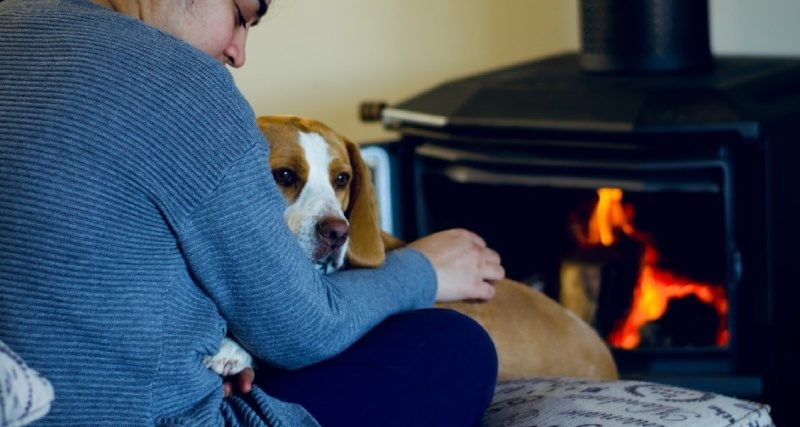
Winter Pet Safety Tips women sitting with a dog in front of a fireplace
Guides

Winter Pet Safety Tips

Recent Posts

  • 10 Best Catteries in Johannesburg
  • 10 Best Pet Shops in Johannesburg For Pet Food, Supplies & More
  • 10 Best Dog Grooming Services in Durban
  • 9 Best Pet-Friendly Restaurants in Durban
  • 10 Best Pet Shops in Cape Town: Pet Food, Supplies & More

Plans

  • View Plans
  • Compare Plans

Claims

  • Submit Claim
  • How To Claim
  • All About Claims

Why MediPet?

  • About Us
  • What is Pet Insurance?
  • FAQ
  • Blog
  • Legal Jargon

Contact Us

Silverwood Block A
A3 and A4
Silverwood Lane
Steenberg Office Park
Tokai
7945

info@medipet.co.za
021 701 2023

"MediPet" is brought to you by MediPet Animal Health Insurance Brokers (Pty) Ltd. (FSP Licence 32613)
& is underwritten by Renasa Insurance Company Ltd, non-life insurer (FSP Licence 15491)
MediPet is an Authorised Financial Services Provider

  • twitter
  • facebook
  • instagram
  • tiktok
Close Menu
  • Home
  • Plans
    • View Plans
    • Compare Plans
  • For Pet Lovers
    • Labrador Pet Insurance
    • Dachshund Pet Insurance
    • French Bulldog Pet Insurance
    • Pet Insurance For Cats
    • Pet Insurance For Maine Coon Cats
  • Claims
    • Submit Claim
    • How To Claim
    • All About Claims
  • MediPet Family
    • Add A Pet To Your Existing Cover
  • Why MediPet?
    • About Us
    • Why You Don’t Want Sub-Limits!
    • Why Comprehensive Cover Matters
    • Omvattende Dekking vir Jou Troeteldier
    • What is Pet Insurance?
    • FAQ’s
  • Blog
  • Contact Us
  • Get A Quote

Shedding Level

Coat Grooming Frequency

 Temperament Level

Coat Type

Wiry

Rough

Curly

Hairless

Corded

Wavy

Smooth

Double

Silky

Coat Length

Short

Medium

Long

Oral Health

Chronic Gingivitis – Gingivitis is inflammation of the gums, which is often the first stage of periodontal disease. Maine Coons are prone to developing juvenile gingivitis as early as 7 months old.
Symptoms: Red & swollen gums, bad breath, reluctance to eat, drooling.

Dental Disease – Dental disease, including periodontal disease, affects cats’ gums & teeth. It can lead to infections & tooth loss if not managed. If there are infections in the mouth it can allow bacteria into the body via the blood stream, & cause illness elsewhere.
Symptoms: Bad breath, difficulty eating, lethargy, loss of appetite, excessive drooling.

Cardiac Conditions

Hypertrophic Cardiomyopathy (HCM) – The most common heart disease in cats, HCM causes the heart muscle to thicken, which can lead to heart failure over time.
Symptoms: Lethargy, difficulty breathing, loss of appetite, fainting or collapse.

Neurological Disorders

Spinal Muscular Atrophy (SMA) – A genetic disorder that affects the development & strength of muscles, leading to weakness & difficulty with movement.
Symptoms: Muscle weakness, difficulty moving, wobbly walk, tremors.

Neurological Disorders

Spinal Muscular Atrophy (SMA) – A genetic disorder that affects the development & strength of muscles, leading to weakness & difficulty with movement.
Symptoms: Muscle weakness, difficulty moving, wobbly walk, tremors.

Kidney Disorders

Polycystic Kidney Disease (PKD) – A hereditary condition where cysts form in the kidneys, potentially leading to kidney failure if left untreated.
Symptoms: Increased thirst & urination, weight loss, poor appetite, vomiting, lethargy.

Arthritis

Arthritis – A degenerative joint condition that causes inflammation & stiffness, often seen in older or large-breed cats like Maine Coons. It develops over time, leading to reduced mobility & discomfort.
Symptoms: Lethargy, difficulty breathing, loss of appetite, fainting or collapse.

Playfulness

Needs Attention

Vocality

Intelligence

Playfulness

Needs Attention

Vocality

Intelligence

We couldn’t say for sure. Truth is, no two domestic cats are the same!

Endocrine & Metabolic Disorders

Hyperthyroidism – A common endocrine disorder, especially in older cats, which affects metabolism & leads to increased thyroid hormone production.
Symptoms: Increased appetite with weight loss, hyperactivity, vomiting, increased thirst.

Oral Health

Dental Disease – Dental disease, including periodontal disease, affects cats’ gums & teeth. It can lead to infections & tooth loss if not managed. If there are infections in the mouth it can allow bacteria into the body via the blood stream, & cause illness elsewhere.
Symptoms: Bad breath, difficulty eating, lethargy, loss of appetite, excessive drooling.

Different Types Of Cancer

Cancer – Cats can develop cancers like lymphoma, squamous cell carcinoma, & mast cell tumors. These may affect organs, skin, or the lymphatic system & can be serious if not caught early. Early diagnosis & treatment improve outcomes & quality of life.
Symptoms: Weight loss, lumps, lethargy, appetite changes, breathing issues, persistent sores.

Urinary Health

Urinary Tract Issues – Conditions such as urinary tract infections (UTIs) or blockages are common, especially in male cats.
Symptoms: Frequent urination, straining to urinate, blood in the urine, & crying while urinating.

Kidney Disease

Chronic Kidney Disease (CKD) – This is particularly common in older cats, & can affect their ability to filter waste from the blood.
Symptoms: Increased thirst & urination, weight loss, poor appetite, vomiting, lethargy, dehydration.

Domestic Longhair

Shedding Level

Coat Grooming Frequency

Domestic Shorthairs

Shedding Level

Self-Grooming Frequency

Temperament Level

We couldn’t say for sure. Truth is, no two domestic cats are the same!

Coat Type

Wiry

Rough

Curly

Hairless

Corded

Wavy

Smooth

Double

Silky

Coat Length

Short
Medium
Long

Shedding Level

Shedding-french-bulldog

Coat Grooming Frequency

Coat-french-bulldog

Drooling Level

Coat Type

Wiry

Rough

Curly

Hairless

Corded

Wavy

Long

Double

Silky

Coat Length

Short    Medium   Smooth

Trainability Level

Energy Level

Barking Level

Barking-french-bulldog

Mental Stimulation Needs

Mental-french-bulldog

Respiratory Conditions

Brachycephalic Airway Obstruction  Syndrome (BAOS) – A condition stemming from their short snouts, BAOS involves several abnormalities of the respiratory system, such as narrow nasal openings (stenotic nares), an elongated soft palate, & a narrowing of the trachea. These issues result in increased effort & noise when breathing. This can lead to exercise intolerance, & difficulty breathing in severe cases.
Symptoms: Noisy breathing, snoring, excessive panting, heat intolerance.

Orthopedic Disorders

Luxating Patella – A condition where the kneecap (patella) slips out of its normal position, typically medially (toward the inside of the leg). Common in small breeds like French Bulldogs, it can range from mild to severe, sometimes requiring surgery.
Symptoms: Intermittent limping, skipping steps, sudden leg extension during movement, pain or discomfort in the hind legs, reluctance to run or jump.

Intervertebral Disc Disease (IVDD) – A degeneration of the disc which can lead to herniation (but not always). The discs separate the vertebrae – cushioning between the vertebrae to absorb pressure put on the spine.
Symptoms: Back pain, spinal pain, reluctance to move, difficulty walking, dragging rear legs.

Skin Conditions

Sensitive Skin & Allergies – French Bulldogs have sensitive skin prone to allergies, which can cause discomfort & secondary infections.
Symptoms: Licking or chewing feet, scratching, head shaking, redness, bumps, sneezing, runny eyes.

Skin Fold Dermatitis – The folds in their skin can trap moisture & bacteria, leading to infections.
Symptoms: Itching, redness, foul odours.

Eye Conditions

Eye Conditions – French Bulldogs are prone to eye conditions, including cataracts & corneal ulcers, which may impair vision if left untreated.
Symptoms: Squinting, tearing, rubbing eyes.

Cherry Eye – A common eye condition in French Bulldogs where the tear duct prolapses, appearing as a red, swollen mass in the corner of the eye. It can affect one or both eyes & may require surgical correction to prevent chronic irritation or infection.
Symptoms: Red or pink bulge in the corner of the eye, excessive tearing, eye irritation, pawing at the face, possible inflammation or discharge. 

Ear Infections

Ear Infections – The shape of their ear canals makes French Bulldogs prone to yeast & bacterial infections, often linked to allergies.
Symptoms: Head shaking, scratching, odour, inflammation.

Shedding Level

Shedding Level

Coat Grooming Frequency

Coat-labrador

Drooling Level

Drooling-level

Coat Type

Wiry

Rough

Curly

Hairless

Corded

Wavy

Smooth

Double

Silky

Coat Length

Short    Medium   Long

Trainability Level

Trainability-labrador

Energy Level

Energy-labrador

Barking Level

Alert-labrador

Mental Stimulation Needs

Mental-labrador

Joint Disorders

Elbow & Hip Dysplasia –  Labradors are prone to joint issues due to improper formation of the joints, leading to pain, arthritis, & mobility challenges. They are also more likely to rupture cruciate ligaments due to their build or active nature.
Symptoms: Lameness, limping, stiffness, difficulty rising, bunny-hopping gait, reluctance to climb stairs, or jump.

Obesity

Labradors are prone to obesity due to their love of food & tendency to become sedentary. Obesity can worsen mobility issues & increase the risk of joint problems like hip dysplasia & arthritis.
Symptoms: Excessive hunger, joint issues, reduced mobility, difficulty breathing, visible weight gain

Skin Conditions

Labradors are prone to skin infections due to their dense double coat, allergies, & love for water, which can trap moisture & irritants against the skin.
Symptoms: Redness, itching, hair loss, scabs or sores, foul odour, excessive licking or scratching.

Ear Infections

Due to their floppy ears & love for swimming, labradors are prone to moisture-trapped ear infections.
Symptoms: Redness, debris in the ear, head shaking, pawing at ears, foul odour, rubbing ears on surfaces.

Eye Conditions

Progressive Retinal Atrophy (PRA) – This degenerative disease affects the retina, leading to gradual vision loss. Typically develops between 3 & 9 years of age.
Symptoms: Night blindness, difficulty in dim light, behavioural changes related to vision loss.

Gastroenteritis & Foreign Body Ingestion

Labradors are notorious for eating anything they can find due to their strong food drive, making them prone to gastrointestinal upset & blockages from swallowing foreign objects such as socks or toys.
Symptoms: Vomiting, diarrhoea, loss of appetite, abdominal pain, lethargy, straining or inability to pass stool.

Digestive Disorders

Bloat (Gastric Dilation-Volvulus) – A life-threatening condition where the stomach twists expands, cutting off blood supply & leading to shock.
Symptoms: Distended abdomen, unproductive retching, drooling, restlessness.

Gastroenteritis & Foreign Body Ingestion – Labradors are notorious for eating anything they can find due to their strong food drive, making them prone to gastrointestinal upset & blockages from swallowing foreign objects such as socks or toys.
Symptoms: Vomiting, diarrhoea, loss of appetite, abdominal pain, lethargy, straining or inability to pass stool.

Heart Conditions

Tricuspid Valve Dysplasia (TVD) – A congenital condition where the valve in the right side of the heart functions improperly, causing blood to leak backward.
Symptoms: Coughing, fluid buildup in the abdomen, distended abdomen, rapid heart rate, difficulty breathing.

Dilated Cardiomyopathy & Valvular Heart Disease – Conditions that weaken the heart & impact its function.
Symptoms: Lethargy, fainting, coughing, difficulty breathing.

Neuromuscular Disorders

Hereditary Myopathy – A genetic condition causing muscle weakness & difficulty with physical activities.
Symptoms: Stiffness, reluctance to exercise, muscle wasting.

Centronuclear Myopathy (CNM) – A rare congenital disease affecting skeletal muscles, leading to weakened hind limbs.
Symptoms: Abnormal gait, inability to perform physical exercise, muscle weakness.

Exercise-Induced Collapse (EIC) – A hereditary condition causing sudden collapse after intense activity.
Symptoms: Weakness, trembling, collapse during or after exercise.

Cancer

Hemangiosarcoma (HAS) – An aggressive cancer often originating in the spleen, liver, or heart, forming blood-filled tumours that can rupture & cause internal bleeding.
Symptoms: Weakness, pale gums, fluid in the abdomen, loss of appetite, difficulty breathing.

Shedding Level

Shedding-daxxie

Coat Grooming Frequency

Grooming frequency

Drooling Level

Drooling level

Coat Type

Wiry

Rough

Curly

Hairless

Corded

Wavy

Smooth

Double

Silky

Coat Length

Short    Medium    Long 

Trainability Level

Personality 1

Energy Level

Energy level

Barking Level

Mental Stimulation Needs

Mental Stimulation

Spinal Conditions

Intervertebral Disc Disease (IVDD) – Due to their long spines, IVDD is one of the most common health concerns in dachshunds. It occurs when the discs cushioning the vertebrae herniate or slip, leading to pain, nerve damage, or paralysis. Symptoms: Trouble walking, limping, reluctance to move, holding the head/neck down, dragging paws, scuffed toenails, muscle spasms.


Dental Conditions

Small breeds are more prone to dental conditions such as gum disease, tooth decay, & bad breath due to plaque & tartar buildup. Regular preventative check-ups are crucial to keep pets’ teeth healthy & prevent dental illnesses.


Orthopaedic Conditions

Patellar Luxation – This occurs when the kneecap dislocates from its normal position, causing discomfort & an abnormal gait. Symptoms: Limping, skipping or hopping.

Hip Dysplasia – A joint disorder where the hip socket doesn’t form properly, leading to joint instability & arthritis – especially in active or aging dachshunds. Symptoms: Stiffness, difficulty rising, reluctance to run or jump.

Eye Conditions

Progressive Retinal Atrophy (PRA) – A hereditary disease that leads to retinal degeneration & eventual blindness.
Symptoms: Night blindness, gradual vision loss.

Cataracts & Glaucoma – A common eye condition that can cause vision impairment or blindness.
Symptoms: Cloudy eyes, redness, swelling or discharge, bumping into objects, anxiety in unfamiliar places or pawing at the face.

Endocrine Disorders

Hypothyroidism – A condition where the thyroid gland underproduces hormones, slowing metabolism. Symptoms: Weight gain, lethargy, hair loss, skin conditions.

Addison’s Disease – Common in dachshunds, this hormonal disorder occurs when the adrenal glands don’t produce enough cortisol, affecting stress response & energy levels. Symptoms: Lethargy, vomiting, poor appetite, weight loss, shaking, & in severe cases, collapse.

Diabetes – Dachshunds can be prone to diabetes, especially with age or obesity. It results from the body’s inability to regulate blood sugar properly due to insulin deficiency. Symptoms: Increased thirst & urination, weight loss despite normal or increased appetite, lethargy, & occasionally cloudy eyes.

Digestive Issues

Bloat (Gastric Dilatation-Volvulus) – A serious & potentially fatal condition where the stomach twists & fills with gas.
Symptoms: Swollen belly, restlessness, pacing, unproductive vomiting, drooling, general malaise.


Heart Conditions

Mitral Valve Disease – A common heart disease in aging dachshunds, affecting their ability to circulate blood effectively.
Symptoms: Coughing, lethargy, difficulty breathing.


Neurological Disorders

Epilepsy – Idiopathic epilepsy is a genetic condition causing seizures. Seizures can be generalized or focal. Generalized Symptoms: Whole-body shaking, drooling, loss of awareness, urination, or defecation. Focal Symptoms: Facial twitching, chewing movements, limb paddling.

 

Hearing Loss

Deafness – Dapple Dachshunds, especially those from two dappled parents, may be born deaf. While untreatable, deaf dogs can lead healthy lives with proper care & training.


Obesity

Dachshunds are prone to weight gain, especially with limited mobility from conditions like IVDD. Obesity further hinders their movement.

































